
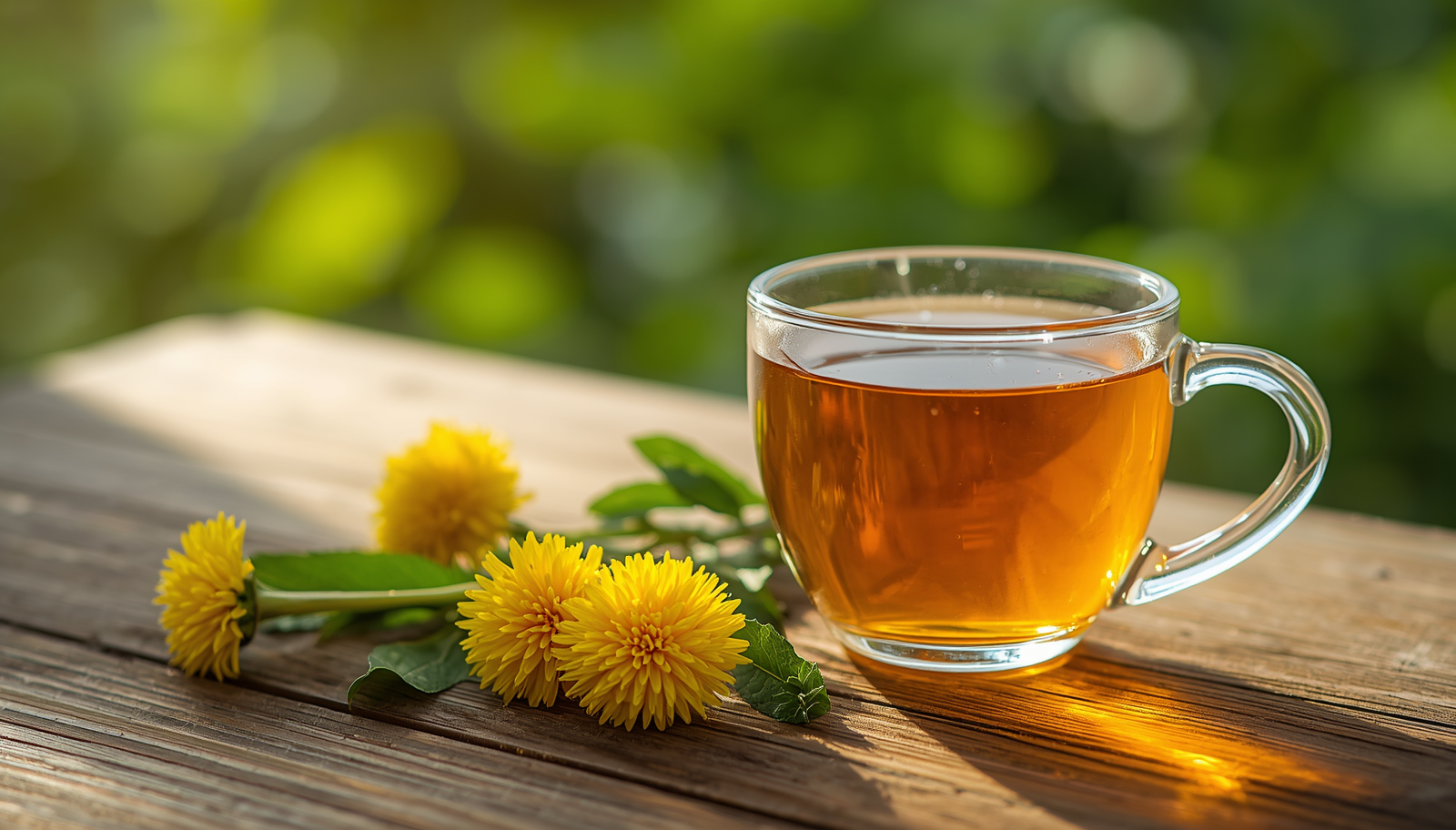
Dandelion Tea: From Garden Weed to Wellness Wonder and Culinary Delight
Dandelion Tea
Rethinking the Humble Dandelion
Walk through any suburban neighborhood in spring, and you’ll likely see homeowners battling those cheerful yellow flowers dotting their lawns. What most people consider a persistent weed is actually one of nature’s most generous gifts. Dandelions have been used for thousands of years in traditional medicine and cuisine across cultures, from ancient China to medieval Europe.
Today, as we rediscover the wisdom of using whole, natural ingredients, dandelion is experiencing a renaissance. This sunny plant offers incredible health benefits when brewed as tea, and its various parts can transform ordinary meals into nutrient-packed culinary adventures. Whether you’re interested in natural detox drinks, exploring herbal tea benefits, or simply want to make use of what’s already growing in your yard, dandelions deserve a place in your kitchen.
In this guide, we’ll explore everything you need to know about dandelion tea and its many culinary applications. You’ll learn how to harvest safely, prepare delicious dandelion root tea, and incorporate this versatile plant into your cooking repertoire.
What Exactly is Dandelion?
The common dandelion (Taraxacum officinale) is a flowering plant that belongs to the daisy family. Native to Europe and Asia, it has naturalized across most temperate regions worldwide. The name “dandelion” comes from the French “dent de lion,” meaning “lion’s tooth,” referring to the plant’s jagged, tooth-shaped leaves.
Every part of the dandelion plant is edible and useful. The bright yellow flowers bloom from early spring through fall, eventually transforming into those iconic white seed heads that children love to blow. The deeply serrated leaves grow in a rosette pattern from a central taproot that can extend surprisingly deep into the soil.
What makes dandelions truly remarkable is their resilience and nutritional density. They thrive in poor soil conditions where other plants struggle, pulling minerals from deep underground. This makes them incredibly nutrient-rich, containing vitamins A, C, and K, along with calcium, iron, potassium, and beneficial plant compounds.
Historically, dandelions were purposely brought to North America by European settlers who valued them as food and medicine. Traditional Chinese medicine has used dandelion for over a thousand years to support liver function and digestive health. Native Americans also discovered the plant’s healing properties and incorporated it into their medicinal practices.
Health Benefits of Dandelion Tea
Drinking dandelion tea regularly can offer numerous health advantages, though it’s important to remember that herbal remedies work differently for everyone and shouldn’t replace medical advice.
Supports Liver Health and Detoxification
One of the most celebrated benefits of dandelion tea involves liver support. The liver works tirelessly to filter toxins from our blood, and dandelion contains compounds that may help optimize this process. Dandelion root tea, in particular, has been traditionally used to support healthy liver function and promote the body’s natural detoxification pathways.
The bitter compounds in dandelion stimulate bile production, which aids in fat digestion and helps the liver process waste more efficiently. This makes dandelion tea a popular choice among natural detox drinks, though true “detoxing” is something your liver does naturally every day.
Aids Digestive Health
Beyond liver support, dandelion tea can benefit your entire digestive system. The same bitter compounds that support liver function also stimulate digestive juices, helping break down food more effectively. Many people find that drinking dandelion tea before meals improves their digestion and reduces bloating.
Dandelion also acts as a mild prebiotic, meaning it feeds the beneficial bacteria in your gut. A healthy gut microbiome is essential for proper digestion, immune function, and even mental health.
Natural Diuretic Properties
Dandelion has been used traditionally as a gentle diuretic, helping the body eliminate excess water. Unlike some pharmaceutical diuretics that deplete potassium, dandelion is naturally rich in this essential mineral, potentially making it a safer option for mild fluid retention.
This property has made dandelion tea popular among those dealing with water weight or seeking to support kidney function. However, if you’re taking medications or have kidney concerns, consult your healthcare provider before using dandelion as a diuretic.
Rich in Antioxidants
Dandelion contains powerful antioxidants, including beta-carotene and polyphenols, which help protect your cells from oxidative stress and inflammation. These compounds may support overall wellness and contribute to healthy aging.
The antioxidants in dandelion tea can help neutralize free radicals in the body, potentially reducing inflammation and supporting immune health. This makes it a wonderful addition to your daily wellness routine.
May Support Blood Sugar Balance
Some research suggests that dandelion may help support healthy blood sugar levels, though more studies are needed. The plant contains compounds that might improve insulin sensitivity and help the body process glucose more effectively.
While dandelion tea shouldn’t replace diabetes medication or medical advice, it could be a helpful complementary beverage for those monitoring their blood sugar.
Promotes Bone Health
Thanks to its impressive calcium and vitamin K content, dandelion tea may contribute to bone health. Vitamin K plays a crucial role in calcium absorption and bone metabolism, while the calcium provides the building blocks for strong bones.
How to Make Perfect Dandelion Tea
Creating delicious dandelion tea at home is surprisingly simple. You can use fresh or dried dandelion leaves, roots, or a combination of both. Each part offers slightly different flavors and benefits.
Dandelion Leaf Tea
Fresh Dandelion Leaf Tea:
- Harvest young, tender leaves in spring before the plant flowers (they’re less bitter)
- Wash thoroughly to remove dirt and any insects
- Use about one cup of loosely packed fresh leaves per two cups of water
- Bring water to a boil, then pour over the leaves
- Steep for 5-10 minutes depending on desired strength
- Strain and enjoy hot or cold
The leaf tea has a mild, slightly grassy flavor with gentle bitterness. It’s lovely with a touch of honey or lemon.
Dried Dandelion Leaf Tea:
- Use 1-2 teaspoons of dried leaves per cup of boiling water
- Steep for 5-8 minutes
- Strain and serve
Dried leaves create a more concentrated flavor and can be stored for months in an airtight container.
Dandelion Root Tea
Dandelion root tea has a deeper, earthier flavor with notes of coffee, making it a popular caffeine-free coffee alternative.
Traditional Method:
- Clean and chop fresh dandelion roots, or use dried roots
- Use about one tablespoon of chopped root per cup of water
- Simmer (don’t just steep) the roots in water for 10-20 minutes
- The longer you simmer, the stronger and more bitter the tea
- Strain and enjoy
Roasted Dandelion Root Tea:
For a coffee-like experience, roast the roots first:
- Clean and chop dandelion roots into small pieces
- Spread on a baking sheet
- Roast at 300°F (150°C) for about 2 hours until dark brown
- Let cool completely
- Store in an airtight container
- Brew like regular dandelion root tea
Roasted dandelion root tea has a rich, slightly sweet, nutty flavor that many coffee lovers appreciate. It makes an excellent base for lattes when combined with steamed milk and sweetener.
Flavor Enhancement Tips
- Add fresh ginger for a spicy kick and additional digestive benefits
- Blend with peppermint or chamomile for a soothing bedtime tea
- Sweeten with honey, maple syrup, or stevia
- Add a squeeze of lemon to brighten the flavor
- Mix with other herbal tea benefits like hibiscus or green tea
Creative Culinary Uses of Dandelion
Beyond tea, every part of the dandelion plant can enhance your cooking with unique flavors and nutrition.
Dandelion Greens in Salads
Young dandelion greens make a nutritious salad base with a pleasant, slightly bitter taste similar to arugula. The bitterness decreases when you pick them early in spring before flowering begins.
Simple Dandelion Salad:
- Toss young dandelion leaves with olive oil and lemon juice
- Add sliced strawberries and toasted walnuts
- Crumble goat cheese on top
- Season with salt and pepper
The sweetness of strawberries perfectly balances the greens’ natural bitterness, creating a sophisticated flavor combination.
Sautéed Dandelion Greens
Cooking mellows dandelion’s bitterness, making it more palatable for those new to eating the plant.
Basic Sautéed Greens:
- Wash dandelion greens thoroughly
- Heat olive oil in a large pan
- Add minced garlic and cook until fragrant
- Add greens and sauté until wilted, about 5 minutes
- Season with salt, pepper, and a squeeze of lemon
- Optional: add red pepper flakes for heat
Serve as a side dish alongside grilled meats, fish, or over pasta.
Dandelion Pesto
Create a nutrient-packed twist on traditional basil pesto using dandelion greens.
Dandelion Pesto Recipe:
- 2 cups dandelion greens (blanch briefly to reduce bitterness)
- 1/2 cup fresh basil
- 1/3 cup pine nuts or walnuts
- 2 cloves garlic
- 1/2 cup Parmesan cheese
- 1/2 cup olive oil
- Salt and pepper to taste
Blend all ingredients until smooth. Use on pasta, sandwiches, or as a dip.
Dandelion Flower Recipes
The cheerful yellow flowers aren’t just decorative—they’re edible and mildly sweet.
Dandelion Flower Fritters:
- Collect dandelion flowers, removing green sepals
- Make a simple batter with flour, egg, and milk
- Dip flowers in batter
- Fry in oil until golden
- Dust with powdered sugar or drizzle with honey
Dandelion Flower Syrup: Simmer flowers with sugar and water to create a unique, honey-like syrup perfect for drizzling over pancakes or stirring into tea.
Dandelion Coffee
Roasted dandelion root makes a surprisingly convincing coffee substitute that’s naturally caffeine-free.
- Use roasted dandelion root (see tea preparation above)
- Grind coarsely like coffee
- Brew in a French press or coffee maker
- Add milk and sweetener as desired
Many people enjoy blending roasted dandelion with actual coffee to reduce caffeine while maintaining rich flavor.
Dandelion Soup
Create a nourishing spring soup featuring dandelion greens.
Creamy Dandelion Soup:
- Sauté onions and garlic in butter
- Add chopped potatoes and vegetable broth
- Simmer until potatoes are tender
- Add chopped dandelion greens
- Blend until smooth
- Stir in cream and season with nutmeg
This velvety soup showcases dandelion’s earthy flavor while the potatoes provide comforting creaminess.
Nutritional Value of Dandelion
Understanding what makes dandelion nutritionally impressive helps explain why it’s considered such a valuable food source.
A single cup of raw dandelion greens contains:
- Over 100% of your daily vitamin K requirement
- Significant amounts of vitamin A (supports vision and immune function)
- Vitamin C for immune support and skin health
- Calcium for bones and teeth
- Iron for healthy blood
- Potassium for heart and muscle function
- Small amounts of B vitamins
The roots contain inulin, a prebiotic fiber that feeds beneficial gut bacteria. They also provide minerals pulled from deep in the soil, including iron, calcium, and magnesium.
Compared to common salad greens, dandelion leaves contain more nutrients per serving than lettuce or spinach in several categories. This nutritional density makes dandelion an excellent addition to any diet, particularly for those looking to increase their micronutrient intake naturally.
Important Tips and Precautions
While dandelion is generally safe for most people, keep these guidelines in mind:
Harvesting Safety
- Never harvest dandelions from lawns treated with pesticides or herbicides
- Avoid collecting near roads where plants absorb pollutants
- Choose areas away from pet waste
- Properly identify dandelions before consuming (look up images if unsure)
- Wash all plant parts thoroughly before use
Who Should Exercise Caution
- People with ragweed allergies may react to dandelion
- Those taking diuretic medications should consult their doctor
- Individuals on blood thinners should check with healthcare providers due to vitamin K content
- Pregnant and nursing women should seek medical advice before regular consumption
- Anyone with gallbladder issues should avoid dandelion due to bile-stimulating properties
Potential Side Effects
Most people tolerate dandelion well, but some may experience:
- Digestive upset or heartburn
- Allergic skin reactions when handling the plant
- Increased urination (due to diuretic effect)
- Interactions with certain medications
Start with small amounts to see how your body responds, especially if you’re new to consuming dandelion.
Best Practices
- Begin with small servings and gradually increase
- Choose organic sources when purchasing dried dandelion products
- Store dried dandelion in a cool, dark place to preserve nutrients
- Don’t replace prescribed medications with herbal remedies without medical supervision
- Enjoy dandelion as part of a varied, balanced diet
Conclusion: Embracing the Dandelion Lifestyle
The journey from viewing dandelions as weeds to appreciating them as wellness allies and culinary treasures represents a beautiful shift in perspective. This resilient little plant offers so much more than its humble appearance suggests—from the herbal tea benefits of dandelion root tea to the nutritional powerhouse of fresh greens in your salad.
By incorporating dandelion into your routine, whether through morning cups of warming tea, vibrant spring salads, or creative dandelion recipes, you’re connecting with centuries of traditional wisdom while nourishing your body with whole, natural ingredients. You’re also making sustainable choices, using what grows freely rather than relying solely on resource-intensive cultivated crops.
The beauty of dandelion lies in its accessibility. You don’t need to order exotic ingredients or visit specialty stores—these golden flowers might be blooming in your own backyard right now. With proper identification and safe harvesting practices, you can begin exploring this versatile plant’s many uses immediately.
Whether you’re drawn to natural detox drinks, seeking herbal tea benefits, or simply curious about expanding your culinary horizons, dandelion offers an excellent starting point. Its gentle effectiveness, impressive nutrition, and versatile applications make it a wonderful addition to any wellness-focused kitchen.
So next time you see those cheerful yellow heads nodding in the breeze, resist the urge to spray or dig them up. Instead, consider harvesting a few to brew a cup of earthy dandelion root tea or toss fresh greens into your next salad. Your body—and your taste buds—might just thank you for giving this remarkable plant a chance to shine.