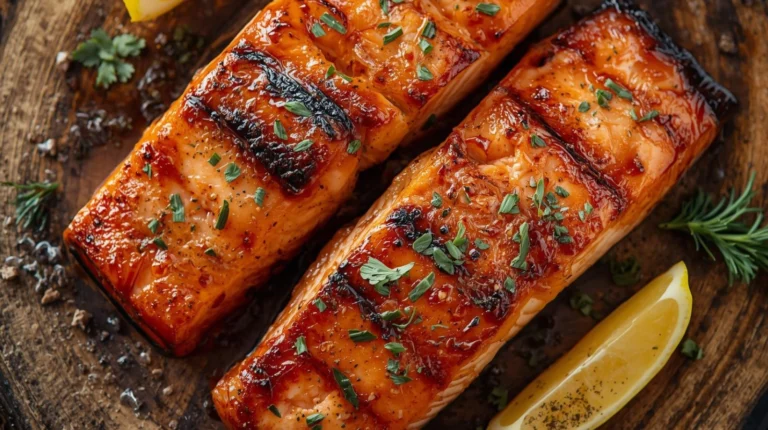

How to make the perfect oven baked salmon at home
There’s something almost comforting about the quiet moment when you slide a tray of salmon into the oven. You feel the warmth rise, the aromas start to swirl, and suddenly the kitchen transforms into a place that feels grounding and familiar. Maybe you’re cooking for yourself, or maybe you’re preparing a meal for people you care about. Either way, oven baked salmon has a way of bringing a sense of calm and satisfaction to your routine without demanding hours of effort or complicated culinary skills.
You don’t need to be a chef to master salmon. You just need the right steps, a few simple ingredients, and the willingness to try. This guide walks you through everything from choosing the right cut to seasoning, baking, serving, and avoiding common mistakes so you can confidently make perfect oven baked salmon at home every single time.
Why Oven Baked Salmon Is the Perfect At-Home Meal
When it comes to dependable dinner options, oven baked salmon shines for more reasons than one. Not only does it deliver rich flavor and flaky texture, but it also gives you a nutritional powerhouse without requiring complicated methods.
Key Benefits of Choosing Oven Baked Salmon
- Nutrient-Rich: Salmon is known for its omega-3 fatty acids, which support heart and brain health.
- Quick Cooking: You can have a full dinner ready in under 20 minutes.
- Consistent Results: Baking is more forgiving than pan-searing or grilling.
- Versatile: You can pair it with nearly any seasoning profile from sweet glazes to bold spice rubs.
Unlike grilling, which requires monitoring heat zones, or pan-searing, which involves achieving the right balance of heat and timing, the oven method gives you predictable tenderness. It’s a beginner-friendly technique that still produces a restaurant-quality meal.
Choosing the Best Salmon for Oven Baking
Before your salmon even gets close to the oven, your success starts with your selection at the store. Different types of salmon offer different textures, colors, and flavors, so knowing what you’re looking for helps you create a better dish.
Fresh vs. Frozen Salmon
Many people assume fresh salmon is always better, but that’s not always the case. Frozen salmon can be just as high-quality, especially when it’s flash-frozen shortly after being caught.
Here’s what you should look for:
Fresh Salmon Checklist
- The flesh should appear vibrant, moist, and uniform in color.
- The texture should feel slightly firm to the touch.
- The smell should be mild not overly “fishy.”
Frozen Salmon Notes
- Flash-frozen salmon retains nutrients and texture.
- Thaw safely in the fridge to avoid mushiness.
- Perfect option if you shop in bulk or want long-term storage.
Types of Salmon and Their Flavor Profiles
Different salmon varieties bring different strengths to the oven.
- Atlantic Salmon: Mild flavor and higher fat content great moisture retention.
- King (Chinook): Rich, buttery, and ideal for luxurious meals.
- Sockeye: Deeper color with stronger taste excellent for bold rubs.
- Coho: Milder than sockeye, softer than Atlantic, good all-purpose fish.
Sustainable choices like Alaskan wild-caught salmon offer strong flavor while supporting responsible fishing practices.
Essential Tools & Ingredients for Oven Baked Salmon
Before you begin prepping your fillets, gather everything you’ll need so the process flows smoothly.
Tools You’ll Need
- A baking sheet or shallow baking dish
- Parchment paper or foil
- A small mixing bowl for marinades
- A brush or spoon for seasoning
- A meat thermometer for accurate temperature checks
Core Ingredients (with Table)
Base Recipe Ingredients for Oven Baked Salmon
| Ingredient | Quantity | Notes |
| Salmon fillets | 4 (6 oz each) | Skin-on recommended |
| Olive oil | 2 tbsp | Adds moisture & flavor |
| Lemon juice | 1 tbsp | Brightness & balance |
| Garlic | 2 cloves, minced | Enhances savoriness |
| Salt | 1 tsp | Essential seasoning |
| Black pepper | ½ tsp | Freshly cracked |
| Fresh herbs (dill/parsley) | 1–2 tbsp | Optional garnish |
This simple ingredient list gives you a balanced base that you can build upon with your preferred spices or sauces.
Step-by-Step Guide: How to Make the Perfect Oven Baked Salmon at Home
This is where everything comes together. Follow these steps and you’ll consistently achieve tender, juicy salmon without guesswork.
Step 1 – Prep Your Salmon
Before seasoning or baking, make sure your fillets are ready.
- Pat the salmon dry using a paper towel. This improves browning.
- Remove any remaining pin bones with tweezers.
- Keep the skin on it acts like a protective barrier.
- Optional: Give the salmon a quick 10-minute saltwater brine to help lock in moisture.
A well-prepared fillet is far easier to cook evenly.
Authentic Moroccan Chicken Tagine Recipe – Step by Step
Step 2 – Seasoning and Flavor Options
This is your time to personalize the dish. You can keep it classic or experiment with different flavor combinations.
Simple Seasoning Ideas
- Lemon-Garlic: A timeless choice with bright flavor.
- Honey Mustard: Sweet, tangy, and perfect for quick weeknight dinners..
- Teriyaki: Savory-sweet glaze that caramelizes beautifully.
- Mediterranean Herb Mix: Dill, parsley, oregano, and a drizzle of olive oil.
You only need a small amount of seasoning to elevate the natural richness of the salmon.
Step 3 – Ideal Oven Temperature and Cook Time
To achieve perfectly cooked salmon, your temperature and timing should be intentional.
- Preheat your oven to 400°F (204°C).
- Bake for 12–15 minutes depending on thickness.
- Thinner fillets (½ inch) need about 10–11 minutes.
- Thick fillets (1 inch or more) may need 15–17 minutes.
- For the juiciest results, look for an internal temperature of 125–130°F (51–54°C).
Use a thermometer to avoid overcooking this single step makes the biggest difference.
Step 4 – How to Tell When Salmon Is Done
If you don’t have a thermometer, you can still judge doneness accurately.
- The flesh flakes easily with a fork.
- The color shifts from translucent to opaque.
- The top may appear slightly crisp but the inside remains soft.
You’re aiming for tender, moist, flaky not dry or chalky.
Step 5 – Serving & Plating Ideas
How you serve your salmon can elevate the meal from simple to impressive.
Serving Pairings
- Oven-roasted asparagus
- Lemon butter rice
- Garlic mashed potatoes
- Fresh green salad
- Sautéed spinach or broccoli
Plating Tips
- Drizzle a touch of olive oil on top.
- Add lemon wedges on the side.
- Garnish with fresh herbs for color and aroma.
Recipe Variations for Oven Baked Salmon
You can easily swap seasonings or sauces to bring fresh excitement to this dish.
Quick Weeknight Versions
- Garlic Butter Salmon: Mix melted butter with garlic, spread evenly, and bake.
- One-Pan Salmon & Veggies: Place salmon and vegetables like zucchini and peppers together on one sheet.
Healthy Oven Baked Salmon Options
- Use olive oil instead of butter.
- Reduce salt and lean on herbs for flavor.
- Serve with whole grains like quinoa or barley.
Marinade Ideas
- Chili Lime: Zesty and vibrant.
- Maple Soy: Sweet, savory, and caramelized.
- Cajun Spice Rub: Adds a smoky kick.
These variations help you avoid meal repetition without extra effort.
Common Mistakes to Avoid When Baking Salmon
Even experienced cooks fall victim to these pitfalls. When you avoid them, your results drastically improve.
Mistake 1 – Overcooking
This is the 1 reason salmon turns dry. Stick to time and temperature guidelines and check early.
Mistake 2 – Not Patting the Salmon Dry
Moisture on the surface prevents even browning and proper texture.
Mistake 3 – Using Too Much Acid
Marinades with lots of lemon or vinegar can “cook” the outside before it hits the oven.
Mistake 4 – Removing the Skin Too Soon
The skin insulates the flesh and helps keep everything tender.
Nutritional Breakdown of Oven Baked Salmon
Salmon offers an impressive nutritional profile, making it perfect for health-conscious meals.
Average Nutrition (per 6 oz fillet):
- Calories: ~370
- Protein: ~34g
- Omega-3s: ~2,000mg
- Carbohydrates: 0g
- Fats: Healthy unsaturated fats
It’s filling, energizing, and supports overall wellness.
FAQs About Oven Baked Salmon
What Is the Best Temperature for Cooking Oven Baked Salmon?
Most cooks prefer 400°F because it creates the perfect balance between browning and tenderness.
How Long Should Oven Baked Salmon Cook?
Your salmon should bake for 12–15 minutes, depending on thickness.
Can You Make Oven Baked Salmon Ahead of Time?
Yes store it in an airtight container and reheat gently at 275°F for 10–12 minutes.
Do You Have to Cover Salmon When Baking?
No baking uncovered yields better flavor and a lightly crisped surface.
Should Salmon Be Baked Skin-Up or Skin-Down?
Always place your salmon skin-down to retain moisture and prevent sticking.
Conclusion
Creating the perfect oven baked salmon at home isn’t complicated. With a few thoughtful steps choosing good fish, seasoning with balance, baking at the right temperature, and watching for doneness you can make a dish that tastes fresh, bright, and satisfying every time.
The more you experiment, the more confident you’ll become. Try different marinades, pairings, and flavors. Make it your own.