The Secret Behind the Perfect Crispy Pizza Dough: A Complete Guide to Crispy Pizza Dough Mastery
Opening: The Moment You Finally Get It Right
You know that feeling when you pull a pizza out of the oven, full of hope, only to cut into it and hear… nothing, because instead of that satisfying crunch, the crust bends limply under the weight of the toppings, leaving you wondering what went wrong again, even though you followed a pizza dough recipe step by step.
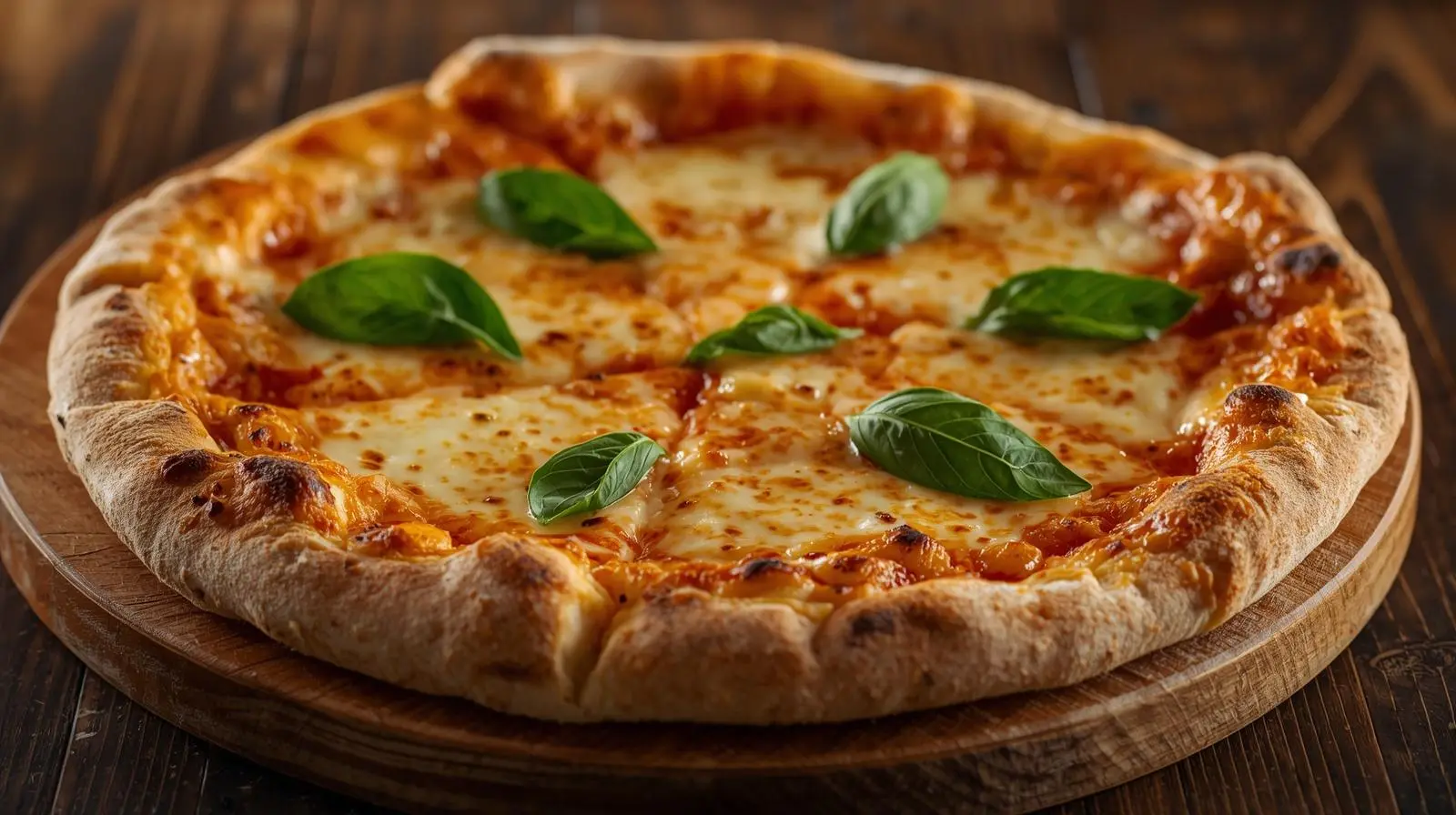
Now imagine the opposite moment, where the base turns golden and firm, the edges blister slightly, and when you take that first bite, there’s a delicate crackle before the soft interior melts in your mouth, making you pause for a second because you didn’t expect something homemade to taste this good. That moment is not luck, and it is not reserved for restaurants with wood-fired ovens, because once you understand how crispy pizza dough really works, you realize that every part of the process from ingredients to baking quietly shapes the final result in ways that most people overlook.
What Makes Crispy Pizza Dough Truly Perfect?
The Hidden Science Behind Crispy Pizza Dough
When you think about crispy pizza dough, it might seem like a simple matter of baking longer or using less sauce, yet the truth runs deeper because crispiness forms when moisture escapes quickly from the dough while the outer layer hardens under intense heat, creating that thin, crunchy shell you’re aiming for every time you try a homemade pizza dough. If your dough holds too much water or if the oven heat is not strong enough to force rapid evaporation, the crust stays soft and sometimes even soggy, which explains why so many attempts fall short even when the ingredients look right.
What really makes the difference is how you manage hydration, gluten structure, and heat at the same time, because these three elements work together quietly in the background while your pizza bakes.
Key Factors That Influence Crispiness
- Hydration level: Lower hydration generally leads to a crisper crust
- High oven temperature: Ideally between 250°C and 300°C
- Gluten development: Provides structure so the dough can crisp without collapsing
- Surface drying: Essential for that golden, crackling finish
When you begin to think of your easy pizza dough not just as a recipe but as a balance of these forces, you gain control over the result instead of relying on guesswork.
Choosing the Right Ingredients for the Best Pizza Dough Recipe
Why Ingredients Matter More Than You Think
Every time you prepare a homemade pizza dough, you are essentially building a structure from the ground up, and each ingredient plays a role that directly affects whether your crust ends up soft, chewy, or perfectly crispy. While many recipes look similar at first glance, small differences in flour type or oil content can quietly transform the outcome.
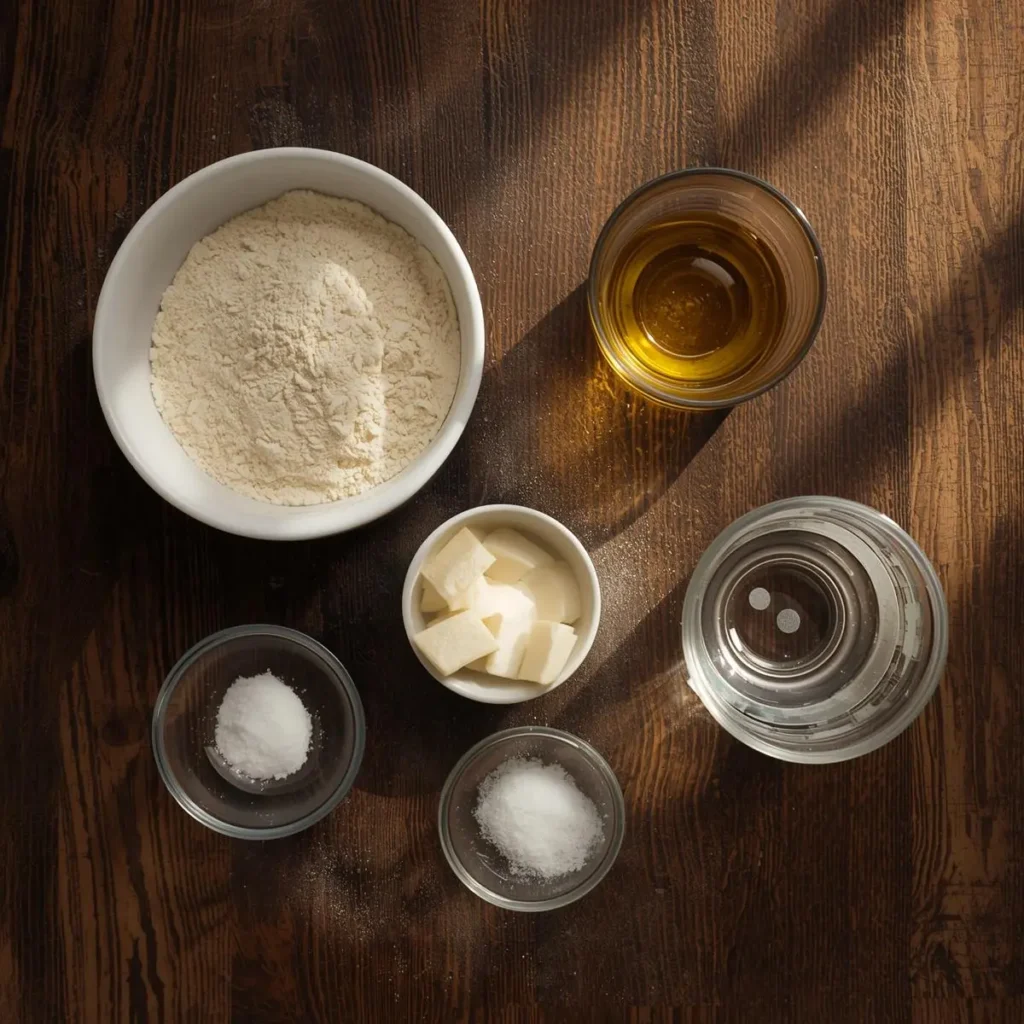
Essential Ingredients Table for Crispy Pizza Dough
| Ingredient | Purpose | Pro Tip |
| Flour (Bread or 00) | Provides structure and chew | Use high-protein flour for better crispiness |
| Water | Hydrates dough | Slightly warm water helps yeast activate |
| Yeast | Fermentation and rise | Instant yeast speeds up quick pizza dough |
| Salt | Strengthens gluten and adds flavor | Always mix evenly |
| Olive Oil | Enhances texture and browning | Adds subtle crispness |
What you might not realize is that using bread flour instead of all-purpose flour can significantly improve the texture because the higher protein content strengthens gluten, which in turn allows the crust to hold its shape while crisping beautifully in the oven.
Quick Dinner Ideas for Family: What to Cook When Time Is Tight
Step-by-Step Easy Pizza Dough Recipe for Crispy Results
How You Can Make an Easy Pizza Dough That Actually Turns Crispy
If you have ever tried an easy pizza dough recipe and ended up with something disappointing, chances are the issue was not the recipe itself but how each step was handled, because small details like kneading time or resting periods often determine whether your dough reaches its full potential.
Step-by-Step Process
- Start by mixing warm water with yeast and a small pinch of sugar, allowing it to sit until it becomes slightly foamy
- Add flour, salt, and olive oil, then mix until a rough dough forms
- Knead the dough for about 8 to 10 minutes until it becomes smooth and elastic
- Let it rest in a warm place until it doubles in size
- Gently stretch the dough rather than rolling it to preserve air pockets
- Preheat your oven at the highest possible temperature
- Bake on a preheated surface like a pizza stone or steel
Important Tips for Better Results
- Avoid overworking the dough after it rises
- Let the dough rest if it resists stretching
- Thinner dough leads to a crispier crust
When you slow down and respect each stage, your homemade pizza dough transforms from something basic into a foundation for truly great pizza.
Quick Pizza Dough vs Traditional Dough – Which One Works Best?
Understanding Quick Pizza Dough Recipe
There are moments when you want pizza now, not tomorrow, and that is where a quick pizza dough recipe becomes incredibly useful, allowing you to skip long fermentation while still achieving a satisfying texture. However, you should know that speed often comes with trade-offs, especially in flavor depth.
Comparison Table
| Feature | Quick Pizza Dough | Traditional Dough |
| Time Required | 30–60 minutes | 12–24 hours |
| Flavor | Mild | Deep and complex |
| Texture | Light and crisp | Crispy with chewiness |
| Difficulty | Easy | Moderate |
While traditional dough develops more flavor over time, a quick pizza dough can still deliver a crisp result if you bake it properly at high heat and keep the toppings light.
Techniques That Guarantee a Crispy Pizza Crust Recipe
The Baking Secrets You Should Never Ignore
Even the best pizza dough recipe can fail if the baking process is not handled correctly, because this is where the final transformation happens, turning soft dough into a crispy crust.
Essential Techniques for Crispiness
- Preheat your oven for at least 30 minutes
- Use a pizza stone or steel to retain heat
- Bake at maximum temperature
- Avoid excessive sauce or toppings
- Dust the base with semolina or cornmeal
Pro-Level Tricks
- Pre-bake the crust slightly before adding toppings
- Brush the edges with olive oil for extra browning
- Place the pizza on the lowest oven rack for direct heat
These small adjustments might seem minor, but together they create a noticeable difference that you can taste immediately.
Thin Crust Pizza Dough Recipe vs Deep Dish Pizza
Thin Crust Pizza Dough Recipe for Maximum Crispiness
When your goal is pure crunch, thin crust is your best option because less thickness allows heat to penetrate quickly, drying out the dough and creating that signature crisp texture.
Characteristics of Thin Crust
- Rolled or stretched very thin
- High heat baking
- Light topping distribution
Deep Dish Pizza – A Different Kind of Crispy
Deep dish pizza offers a contrast where the edges become crispy while the inside remains soft and rich, creating a completely different experience that still relies on proper baking technique.
Characteristics of Deep Dish Pizza
- Thick dough base
- Longer baking time
- Crisp outer layer with soft interior
Creative Homemade Pizza Ideas to Elevate Your Dough
Turning Your Homemade Pizza Into Something Memorable
Once you master the basics of homemade pizza dough, you begin to see endless possibilities, because the crust becomes a canvas that supports a wide range of flavors and textures.
Homemade Pizza Ideas to Try
- Classic Margherita with fresh basil
- White pizza with ricotta and garlic
- BBQ chicken pizza with smoky sauce
- Mediterranean pizza with olives and feta
- Breakfast pizza with eggs and cheese
Each variation allows you to experiment while still relying on the same core pizza crust recipe.
Common Mistakes That Ruin Crispy Pizza Dough
What You Should Avoid at All Costs
Sometimes improving your pizza is not about adding something new, but about removing habits that quietly sabotage your results.
Top Mistakes
- Using dough straight from the fridge
- Adding too many toppings
- Baking in a low-temperature oven
- Using too much sauce
- Skipping resting time
When you recognize these mistakes, you can correct them quickly and see immediate improvements.
FAQ – Crispy Pizza Dough Questions Answered
How do you make crispy pizza dough at home?
You achieve crispy pizza dough by baking at high temperatures, using a preheated surface, and keeping the dough thin and balanced in hydration.
What is the best pizza dough recipe for beginners?
The best pizza dough recipe for beginners is an easy pizza dough recipe that uses simple ingredients and minimal resting time.
Can a quick pizza dough recipe still be crispy?
Yes, a quick pizza dough recipe can produce a crispy crust when baked correctly at high heat.
Why is my homemade pizza dough not crispy?
It usually happens due to low oven heat, excess moisture, or thick dough.
Which flour works best for pizza crust recipe?
High-protein bread flour or 00 flour works best for achieving crispiness.
Your Path to the Best Crispy Pizza Dough
When you step back and look at the entire process, it becomes clear that achieving crispy pizza dough is not about following a single perfect recipe but about understanding how each decision you make influences the final result, from the type of flour you choose to the way you stretch the dough and the temperature at which you bake it, and once you start applying these insights consistently, you will notice that your home made pizza begins to rival what you once thought was only possible in professional kitchens, giving you not just better results but also a deeper appreciation for the craft behind every slice.
Table of Contents
Crispy Pizza Dough Recipe (Best Homemade Pizza Dough)
Ingredients
Equipment
Method
Notes
- For extra crispy pizza dough, bake on a preheated pizza stone.
- Avoid adding too much sauce or toppings.
- Let the dough rest properly for best texture.
- You can use this as a quick pizza dough recipe by reducing resting time to 30 minutes.