Lasagna Recipes: How to Make the Perfect Lasagna That Feels Like Home
There are few dishes that speak to the soul the way a perfectly baked lasagna does, because when you slide that dish into the oven and begin to notice the slow transformation of simple ingredients into something rich, layered, and deeply comforting, you are not just cooking you are creating a moment that will be remembered, shared, and talked about long after the plates have been cleared. You can almost hear the quiet anticipation as the cheese melts into golden perfection and the sauce bubbles gently around the edges, promising a meal that feels both indulgent and familiar, and as you take that first bite, what you experience is not just flavor but a kind of warmth that feels personal, like something made just for you.
Why Lasagna Recipes Are Timeless Favorites
When you think about why lasagna recipes continue to hold such a strong place in kitchens around the world, it quickly becomes clear that this dish is more than a trend or a passing favorite, because it carries with it a sense of tradition that has been passed down through generations, evolving slightly with each family while still holding onto its core identity.
Lasagna has its roots in Italian cuisine, where simplicity meets depth, and where ingredients are chosen not just for taste but for how they come together over time. When you prepare your own lasagna recipe, you are participating in that same tradition, building layers that reflect both history and personal taste.
You will also notice that lasagna remains one of the most searched comfort foods online, especially during holidays and gatherings, because it solves a universal need: feeding people something that feels generous, satisfying, and worth slowing down for.
Essential Ingredients for the Best Lasagna Recipe
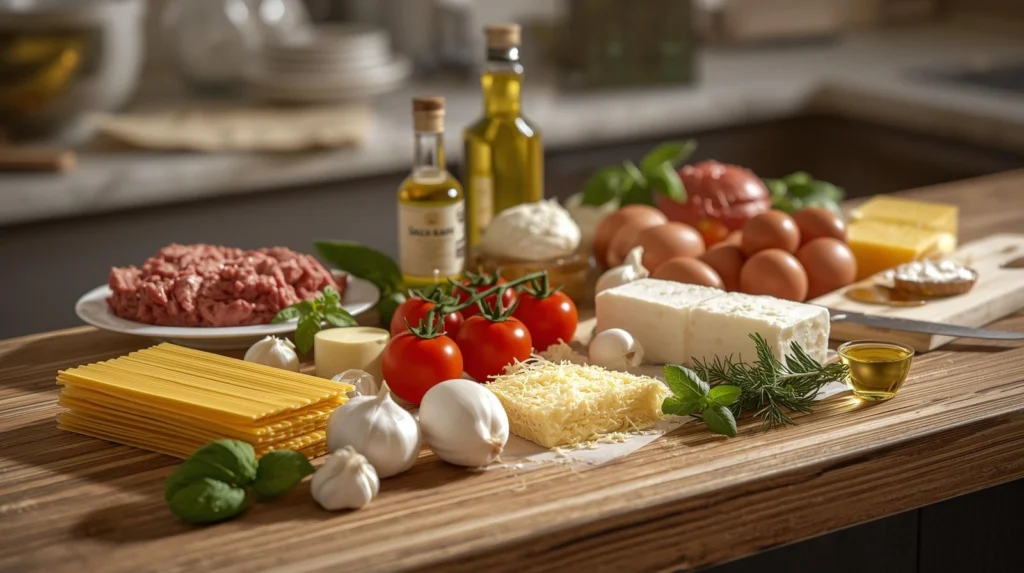
Before you begin assembling your dish, it helps to understand that every great lasagna starts with ingredients that work together rather than compete, creating a balance that carries through every bite.
Core Ingredients Breakdown
| Ingredient | Purpose in the Recipe | Notes |
| Lasagna noodles | Provide structure and layering | Fresh or dried both work |
| Ground meat | Adds richness and depth | Beef, pork, or a mix |
| Tomato sauce | Brings moisture and flavor | Homemade preferred |
| Ricotta cheese | Creates a creamy layer | Can be mixed with spinach |
| Mozzarella cheese | Melts into a stretchy topping | Use whole milk for better texture |
| Parmesan cheese | Adds a sharp, salty finish | Freshly grated is best |
| Eggs | Helps bind cheese mixture | Optional but useful |
| Herbs & spices | Build complexity | Basil, oregano, garlic |
When you choose high-quality ingredients, you immediately elevate your lasagna recipe, because each layer becomes more defined, more flavorful, and more satisfying.
Choosing the Right Lasagna Noodles
The type of noodles you choose will shape the texture and structure of your dish more than you might expect, so it is worth taking a moment to consider your options carefully.
Traditional boiled noodles give you a softer, more classic texture, but they require careful handling to avoid tearing or overcooking. No-boil noodles, on the other hand, offer convenience and consistency, absorbing moisture from the sauce as the lasagna bakes, which can actually improve the final structure when used correctly.
If you want to take things further, fresh pasta sheets create a delicate, almost silky texture that feels more refined, though they require a bit more effort and attention.
Smashed Potato Quiche Recipe : A Delicious Twist on a Classic
Step-by-Step Guide: How to Make the Perfect Lasagna
Creating the perfect lasagna is less about rushing through steps and more about building layers with intention, allowing each component to develop fully before bringing everything together.
Preparing the Meat Sauce
You begin by heating oil in a pan and gently sautéing onions and garlic until they release their aroma, creating a base that feels warm and inviting. Once the ground meat is added and browned, you pour in your tomato sauce and let it simmer slowly, giving the flavors time to deepen and blend into something rich and cohesive.
Preparing the Cheese Mixture
In a separate bowl, you combine ricotta, eggs, parmesan, and herbs, mixing until the texture becomes smooth and creamy, ensuring that every spoonful will spread easily across your layers.
Layering the Lasagna
Ideal Layer Structure
- Start with a thin layer of sauce to prevent sticking
- Add a layer of noodles
- Spread ricotta mixture evenly
- Add meat sauce
- Sprinkle mozzarella
- Repeat the layers
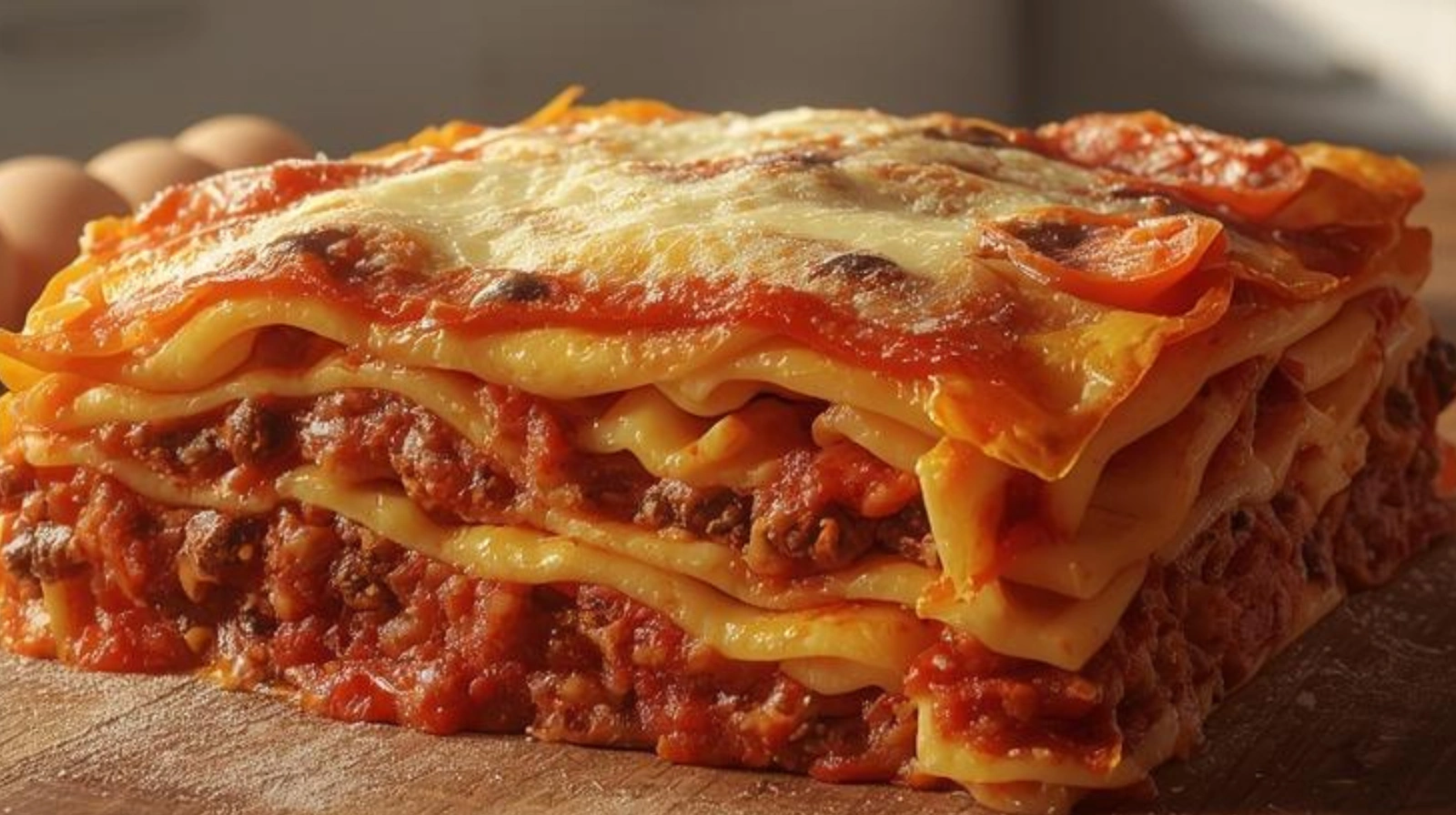
- Finish with a generous layer of cheese on top
As you build these layers, you will notice how the dish begins to take shape, each addition contributing to a final result that feels balanced and complete.
Baking Instructions
You place your assembled lasagna into a preheated oven at 180°C (350°F), covering it initially to trap moisture, then uncovering it toward the end to allow the top to turn golden and slightly crisp, creating that perfect contrast between creamy layers and a lightly browned surface.
Common Mistakes to Avoid in Lasagne Recipes
Even though lasagna is forgiving, there are a few mistakes that can affect your final result in ways you will want to avoid.
- Adding too many layers can make the dish unstable
- Skipping the resting time can cause it to fall apart when sliced
- Using too much sauce can lead to sogginess
- Forgetting seasoning can leave it tasting flat
When you stay mindful of these details, your lasagne recipes will consistently turn out better, with cleaner slices and more defined layers.
Tips for Making the Best Lasagna Recipe Every Time
If you want your lasagna to stand out, you can focus on small adjustments that make a noticeable difference.
Flavor Enhancements
- Add a splash of red wine to your sauce for depth
- Use fresh herbs just before baking
- Combine different cheeses for a richer profile
Texture Perfection
- Keep moisture balanced between layers
- Avoid overcooking noodles before baking
- Press layers gently to remove air pockets
These simple refinements help you move from a good lasagna recipe to something truly memorable.
Variations of Lasagna Recipes You Should Try
Once you master the basics, you can begin exploring different versions that suit your preferences or dietary needs.
- Classic meat lasagna
- Vegetarian lasagna with spinach and mushrooms
- White lasagna with béchamel sauce
- Seafood lasagna
- Vegan lasagna with plant-based cheese
Each variation offers a new way to experience lasagna, allowing you to adapt the dish without losing its essence.
Serving and Pairing Your Lasagna
When you serve lasagna, you are not just placing food on a plate you are creating a full experience that can be enhanced with the right pairings.
You might choose to serve it with a crisp salad that balances the richness, or warm garlic bread that complements the flavors, and if you enjoy wine, a bold red can bring out the depth of the sauce beautifully.
How to Store and Reheat Lasagna
One of the advantages of making lasagna is that it stores exceptionally well, often tasting even better the next day as the flavors continue to develop.
You can refrigerate it for several days or freeze it for longer storage, and when it comes time to reheat, using the oven helps maintain its texture, while the microwave offers a quicker option when needed.
FAQ – Lasagna Recipes and Cooking Tips
What is the best lasagna recipe for beginners?
The best lasagna recipe for beginners is one that uses simple ingredients and clear steps, allowing you to focus on mastering layering and balance without feeling overwhelmed.
How many layers should a lasagna have?
Most lasagna recipes work best with three to four layers, providing enough structure without becoming too heavy.
Can you make lasagna ahead of time?
Yes, and in fact, making lasagna ahead of time often improves its flavor, as the ingredients have more time to meld together.
What makes a lasagna recipe truly perfect?
A perfect lasagna recipe comes down to balance between sauce and pasta, richness and freshness, structure and softness.
Are lasagne recipes better with ricotta or béchamel?
This depends on the style you prefer, as ricotta creates a more familiar, creamy texture, while béchamel offers a smoother, more traditional Italian finish.
Conclusion
When you take the time to understand each step, from selecting ingredients to layering with care and allowing the dish to rest before serving, you begin to see that making the best lasagna recipe is not about complexity but about intention, because every choice you make contributes to a final dish that feels thoughtful, satisfying, and worth sharing, and once you experience the difference that attention to detail can make, you will find yourself returning to these lasagna recipes again and again, refining them, adapting them, and ultimately making them your own.
Table of Contents
Best Homemade Lasagna Recipe
Ingredients
Equipment
Method
Notes
- You can replace ground beef with chicken or vegetables for a lighter version.
- Letting the lasagna rest before cutting helps keep the layers intact.
- This dish tastes even better the next day after flavors develop more.