Grilled Vegetables on the Grill — The Only BBQ Veggie Guide You Will Ever Need
There is a moment at every summer gathering — perhaps you have experienced it yourself — when the smoke curls up from a hot grill, the air fills with that unmistakable smell of something caramelizing over open heat, and everyone drifts instinctively toward the flames. Most people think of meat when they imagine that scene. But the truth is, some of the most extraordinary things that come off a grill are vegetables. Not steamed, not boiled, not roasted in an oven — but properly, unapologetically grilled vegetables on the grill, with char marks, smoky depth, and a sweetness that only fierce direct heat can draw out from the fibers of a courgette, a pepper, or a corn cob. If you have ever served grilled vegetables as an afterthought — a limp side dish buried next to the burgers — this guide is going to change everything about the way you think about cooking them.
Why Grilled Vegetables on the Grill Are in a Category of Their Own
What heat does to vegetables that no other cooking method can replicate
When a vegetable meets a properly preheated grill grate, something remarkable happens at a chemical level. The intense, direct heat triggers the Maillard reaction — the same browning process responsible for the crust on a perfectly seared steak — causing the sugars on the surface of the vegetable to caramelize and develop hundreds of new flavor compounds in a matter of seconds. The result is a depth of flavor that is simultaneously sweet, smoky, slightly bitter at the charred edges, and deeply savory in a way that simply cannot be replicated in an oven, on a stovetop, or in a microwave.
Beyond flavor, grilling vegetables on the grill preserves their nutritional integrity far better than boiling or steaming, which leach water-soluble vitamins directly into the cooking liquid. The high, fast heat of grilling seals the outer surface quickly, locking moisture and nutrients inside. Studies have shown that grilled vegetables retain significantly more antioxidants than their boiled counterparts, making a beautiful platter of grilled vegetables one of the most nutritionally sound ways to eat your way through summer produce.
Research published in the Journal of Food Science found that grilling preserves up to 40% more antioxidants in vegetables compared to boiling, while also concentrating natural sugars through moisture evaporation — giving grilled vegetables their characteristic sweetness.
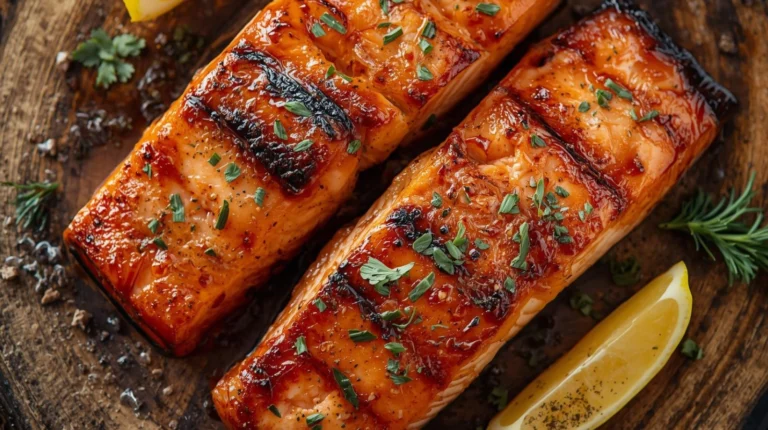
Step-by-Step Grilled Salmon Recipe: An Easy, Flavor-Packed Meal You Can Master at Home
The Best Vegetables for Grilling — A Complete Guide
Which vegetables thrive on the grill and how to prepare each one
Not every vegetable is equally suited to the grill, and understanding which ones perform best — and why — is the foundation of great BBQ veggie cooking. The best candidates share a few common traits: they have enough structural integrity to hold together over direct heat without falling apart, enough water content to steam slightly from the inside while charring on the outside, and enough natural sugar to caramelize beautifully when exposed to high temperature. Here is a comprehensive breakdown of the vegetables that belong on your grill this season.
Bell peppers
High sugar content caramelizes brilliantly. Grill whole then peel for silky, smoky flesh.
Corn on the cob
Leave the husk on for steaming, or remove for maximum char. Brush with herb butter.
Courgette (Zucchini)
Slice lengthways to 1cm. Grills fast — 3 min per side. Absorbs marinades perfectly.
Aubergine (Eggplant)
Salt first to draw out bitterness. Slice 1.5cm thick. Becomes silky and smoky on the grill.
Red onion
Cut into thick wedges, keep root intact. Sweetens dramatically over high heat.
Broccoli
Blanch briefly first then grill. The florets catch char beautifully and taste nutty.
Portobello mushrooms
Grill gill-side up to hold juices. Meaty texture — excellent as a burger substitute.
Carrots & asparagus
Blanch carrots first. Asparagus grills in 4–5 min and develops gorgeous char marks.
The Master Marinade for Grilled Vegetables on the Grill
One versatile recipe that works beautifully on every vegetable
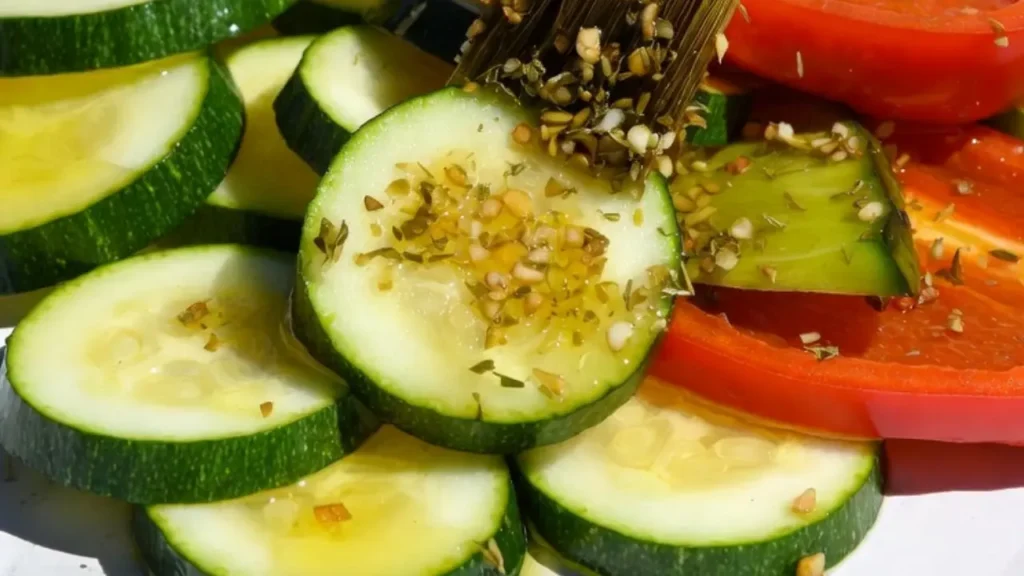
A great marinade is what separates truly memorable grilled vegetables from merely acceptable ones. You want something that coats every surface, carries flavor into the vegetable during the marinating time, and caramelizes rather than burns when it hits the hot grate. Below is a master marinade that works across every vegetable on the list above, along with two variations for different flavor directions.
Master BBQ Vegetable MarinadeEnough for 4–6 servings of vegetables
| Ingredient | Quantity | Notes |
|---|---|---|
| Extra virgin olive oil | 80 ml | Good quality, fruity |
| Garlic cloves, minced | 4 large | Fresh only |
| Fresh lemon juice | 3 tbsp | From 1–2 lemons |
| Lemon zest | 1 tsp | Adds fragrance |
| Balsamic vinegar | 2 tbsp | Adds depth & sweetness |
| Dijon mustard | 1 tsp | Emulsifies the marinade |
| Smoked paprika | 1 tsp | Adds BBQ smokiness |
| Dried oregano | 1 tsp | Mediterranean note |
| Dried thyme | ½ tsp | Earthy backbone |
| Red pepper flakes | ¼ tsp | Gentle heat |
| Salt & black pepper | To taste | Season well |
| Fresh herbs (parsley/basil) | Small handful | For finishing, not marinating |
Spicy Chipotle Marinade VariationBold & smoky alternative
| Ingredient | Quantity | Notes |
|---|---|---|
| Olive oil | 80 ml | Base fat |
| Chipotle in adobo, minced | 2 peppers | From a tin |
| Lime juice & zest | 2 limes | Replaces lemon |
| Garlic cloves, minced | 4 large | Fresh |
| Ground cumin | 1 tsp | Warm earthy note |
| Smoked paprika | 1 tsp | Layered smokiness |
| Honey | 1 tbsp | Balances the heat |
| Salt | To taste |
Grill Temperature Guide — Getting the Heat Right Every Time
Why temperature control is the most underrated skill in BBQ veggie cooking
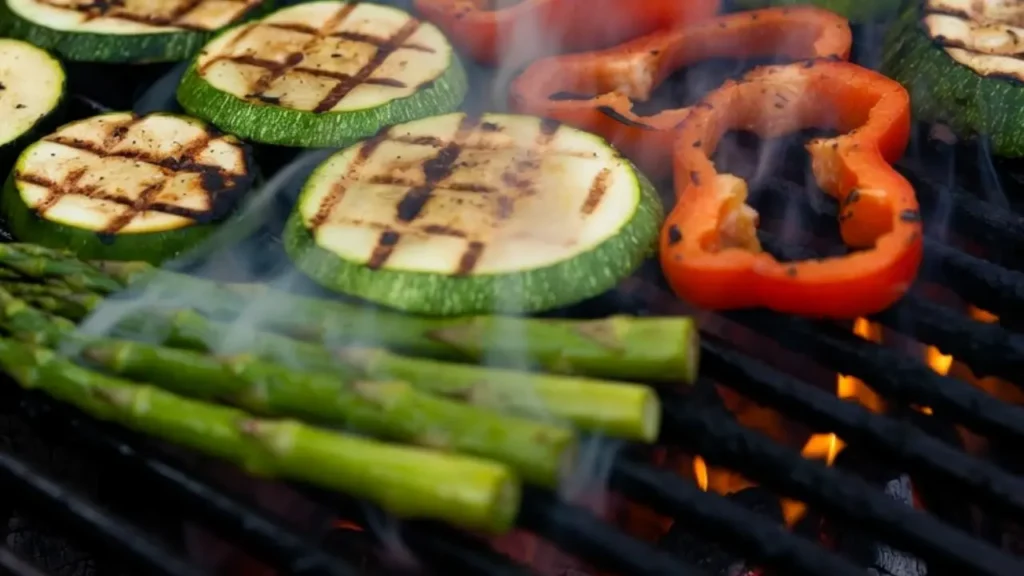
One of the most common reasons grilled vegetables disappoint is incorrect grill temperature. Too low and the vegetables steam rather than char, becoming soft and waterlogged without developing any of the caramelization that makes grilling worthwhile. Too high and the outside burns before the inside has had time to cook through properly — particularly problematic with denser vegetables like carrots or sweet potato. Understanding how to use different heat zones on your grill gives you complete control over the outcome.
Low heat 150–180°C
Gentle cooking zone. Use for dense vegetables like carrots after blanching. Finish here to cook through without burning.
Medium heat 180–220°C
The sweet spot for most vegetables — peppers, courgette, aubergine, mushrooms. Good char with thorough cooking.
High heat 220–260°C
For asparagus, corn, and thin slices. Fast, fierce heat creates maximum char marks in minimum time.
For a gas grill, creating zones is simple — turn one burner to high, one to medium, and one to low (or off). For a charcoal grill, pile more coals on one side to create a natural gradient from searing-hot to gently warm. Move vegetables between zones as needed during cooking rather than leaving them in one spot for the entire duration — this gives you far more control and produces a more even, professional result.
Step-by-Step: How to Grill Vegetables on the Grill Perfectly
The complete method from prep to plate
1 Prepare and cut your vegetables. Wash and dry everything thoroughly — moisture on the surface of a vegetable creates steam and prevents proper charring. Cut vegetables to a consistent thickness so they cook at the same rate. As a general rule, 1–1.5cm is ideal for most vegetables. Leave asparagus and green beans whole.
2 Pre-treat dense vegetables. Carrots, sweet potato, beetroot, and cauliflower need a head start before going on the grill. Either blanch them in salted boiling water for 3–4 minutes and pat dry, or slice them thinly enough (5–7mm) that the grill’s heat can penetrate to the center before the outside burns.
3 Marinate for at least 30 minutes. Place the prepared vegetables in a wide, shallow dish or large zip-lock bag and pour over the marinade. Turn to coat every surface completely. Marinate for a minimum of 30 minutes at room temperature, or up to 4 hours in the refrigerator for deeper flavor penetration. Bring refrigerated vegetables to room temperature before grilling.
4 Preheat and oil the grill. Preheat your grill for at least 10–15 minutes with the lid closed before cooking. A properly preheated grill is essential for achieving clean char marks rather than sticking. Just before adding the vegetables, brush the grates with a neutral high-smoke-point oil using a folded paper towel held in long tongs.
5 Grill with intention. Place the vegetables on the grill in a single layer with space between each piece — overcrowding creates steam rather than char. Resist the urge to move them for the first 2–3 minutes. Once they release naturally from the grate (a good sign they have charred properly), rotate 90 degrees for cross-hatch marks, then flip and repeat on the other side.
6 Rest and finish. Transfer grilled vegetables to a platter and allow them to rest for 3–5 minutes — they continue cooking slightly from residual heat and the flavors settle and intensify during this resting period. Finish with a drizzle of good olive oil, a scatter of fresh herbs, flaky sea salt, and a squeeze of fresh lemon juice right before serving.
Pro Tips for the Best Grilled Vegetables Every Single Time
Grill Master Tips
Never skip the preheat. A cold or lukewarm grill causes sticking and steaming. Your grill needs a full 10–15 minutes of preheating with the lid closed to reach the temperature where proper charring can occur.
Use skewers or a grill basket for small vegetables. Cherry tomatoes, small mushrooms, and cubed vegetables will fall through grill grates. Skewer them or use a perforated grill basket — both are inexpensive and dramatically expand what you can grill.
Pat vegetables dry before grilling even after marinating. Shake off excess marinade and pat lightly with paper towels before placing on the grill. Too much liquid marinade on the surface will cause flare-ups on charcoal grills and prevent proper browning on gas grills.
Season with flaky salt after grilling, not before. Salt draws moisture to the surface of vegetables through osmosis. Salting before grilling can make the outside wet, which prevents charring. Season generously with flaky sea salt the moment the vegetables come off the grill instead.
Grill vegetables slightly underdone. Vegetables continue cooking from residual heat after leaving the grill. Pulling them when they are just slightly firmer than your ideal means they will arrive at the table at exactly the right texture, rather than overcooked and mushy.
Add fresh herbs and acid at the very end. A squeeze of lemon juice, a handful of torn basil, or a spoonful of good-quality pesto applied the moment vegetables come off the grill — when they are still steaming — allows those fresh flavors to perfume the vegetables as they rest. This finishing step costs almost nothing and elevates the entire dish dramatically.
What to Serve with Grilled Vegetables on the Grill
Building a complete BBQ spread around your veggie platter
A beautifully executed platter of grilled vegetables on the grill is versatile enough to serve in multiple ways, and understanding how to build around it is what transforms a side dish into the undisputed centerpiece of a summer table. Serve grilled vegetables over a generous bed of creamy hummus — the richness of the chickpea paste is the ideal backdrop for the smoky, charred vegetables piled on top, and the combination works beautifully as either a starter or a light main course. Alternatively, toss still-warm grilled vegetables through cooked grain — farro, quinoa, or pearl barley all work exceptionally well — with a handful of toasted pine nuts, crumbled feta or goat’s cheese, and a generous drizzle of the same marinade whisked with a little extra vinegar to make a warm salad that holds its own as a complete meal.
Grilled vegetable wraps and sandwiches
Grilled vegetables are outstanding in flatbreads and wraps, where the soft, yielding texture of charred aubergine and pepper pairs with creamy sauces and crunchy pickles to create something genuinely satisfying. Spread a warm flatbread generously with garlic yogurt or tahini, layer over a selection of grilled vegetables, add pickled red onions, fresh mint, and a drizzle of chili oil, and you have a lunch or light dinner that rivals anything from a restaurant kitchen.
Nutritional Benefits of Grilled Vegetables
Why your body will thank you for every charred bite
~120 Calories per serving
8g Dietary fiber
4g Plant protein
High Antioxidants retained
Grilled vegetables are among the most nutrient-dense foods you can eat, and the grilling method actually enhances their nutritional profile compared to many other cooking techniques. The high heat concentrates natural sugars without adding any, meaning the sweetness you taste in a grilled pepper or a charred piece of corn comes entirely from the vegetable itself — not from added ingredients. A generous mixed platter of grilled vegetables provides substantial amounts of vitamins A, C, E, and K, alongside potassium, magnesium, and a wide range of plant-based antioxidants including lycopene from tomatoes and peppers, beta-carotene from carrots and courgette, and quercetin from onions — all of which have well-documented anti-inflammatory properties.
Frequently Asked Questions About Grilled Vegetables on the Grill
How do I stop grilled vegetables on the grill from sticking to the grates?
The two most important factors are a properly preheated grill and well-oiled grates. Never place vegetables on a cold or lukewarm grill — the surface needs to be hot enough to create an immediate sear that releases the vegetable cleanly after 2–3 minutes. Oil the grates using a folded paper towel dipped in high-smoke-point oil, held in long tongs, and wiped across the grates immediately before adding your vegetables. Also ensure the vegetables themselves are lightly coated in oil from the marinade.
Can I grill vegetables on the grill in advance and serve them later?
Yes — grilled vegetables actually improve slightly after resting, as the flavors continue to develop and the marinade redistributes through the flesh. Grill them up to two hours ahead and keep them covered at room temperature. If grilling further in advance, refrigerate and bring back to room temperature before serving, or warm gently in a 150°C oven for 8–10 minutes. Avoid microwaving — it makes the texture soggy and eliminates the smoky char aroma.
What is the best oil for grilling vegetables on the grill?
For the marinade, extra virgin olive oil adds great flavor and is suitable for most grilling temperatures. For oiling the grates directly, use a neutral high-smoke-point oil such as refined sunflower, rapeseed, or avocado oil — these can withstand the intense heat of the grate surface without burning. Avoid spraying oil directly onto a hot grill, as this can cause dangerous flare-ups.
How long do grilled vegetables on the grill take to cook?
Timing varies significantly by vegetable and thickness, but as a general guide: asparagus and thin-sliced courgette take 3–4 minutes per side; peppers, mushrooms, and aubergine take 4–5 minutes per side; corn on the cob (husked) takes 10–12 minutes total, turning every 2–3 minutes; and denser vegetables like blanched carrots or sweet potato take 5–6 minutes per side. Always watch for color and char marks rather than relying solely on time.
Do I need to peel vegetables before putting them on the grill?
For most vegetables, no — the skin actually helps protect the flesh from the intense heat and adds textural interest. Courgette, aubergine, peppers, mushrooms, and corn are all grilled with their skins on. The exception is if you are grilling whole peppers to make a roasted pepper — in that case, you grill them until the skin is completely blackened, then place them in a covered bowl for 10 minutes, after which the charred skin peels away easily to reveal the silky, smoky flesh underneath.
Conclusion — Your Grill Is a Vegetable’s Best Friend
What makes grilled vegetables on the grill so endlessly rewarding is that they ask very little of you — a good marinade, a properly preheated grill, and a willingness to leave them alone long enough to char properly — and they give back so much in return. Flavor that no other cooking method can replicate. Color and drama that makes any table look abundant and generous. Nutrition that your body genuinely benefits from. And a versatility that allows the same basic technique to produce a different, equally exciting dish every single time you fire up the grill.
Whether you are feeding a crowd at a summer BBQ, building a weeknight dinner around a colorful vegetable platter, or making the most of a glut of summer produce from the garden or the market, the techniques and recipes in this guide give you everything you need to grill vegetables with confidence, creativity, and genuine mastery. The grill is not just for meat — and once you experience what it does to a pepper, a piece of corn, or a thick slice of aubergine, you may find yourself firing it up all year round just for vegetables alone.
Table of Contents
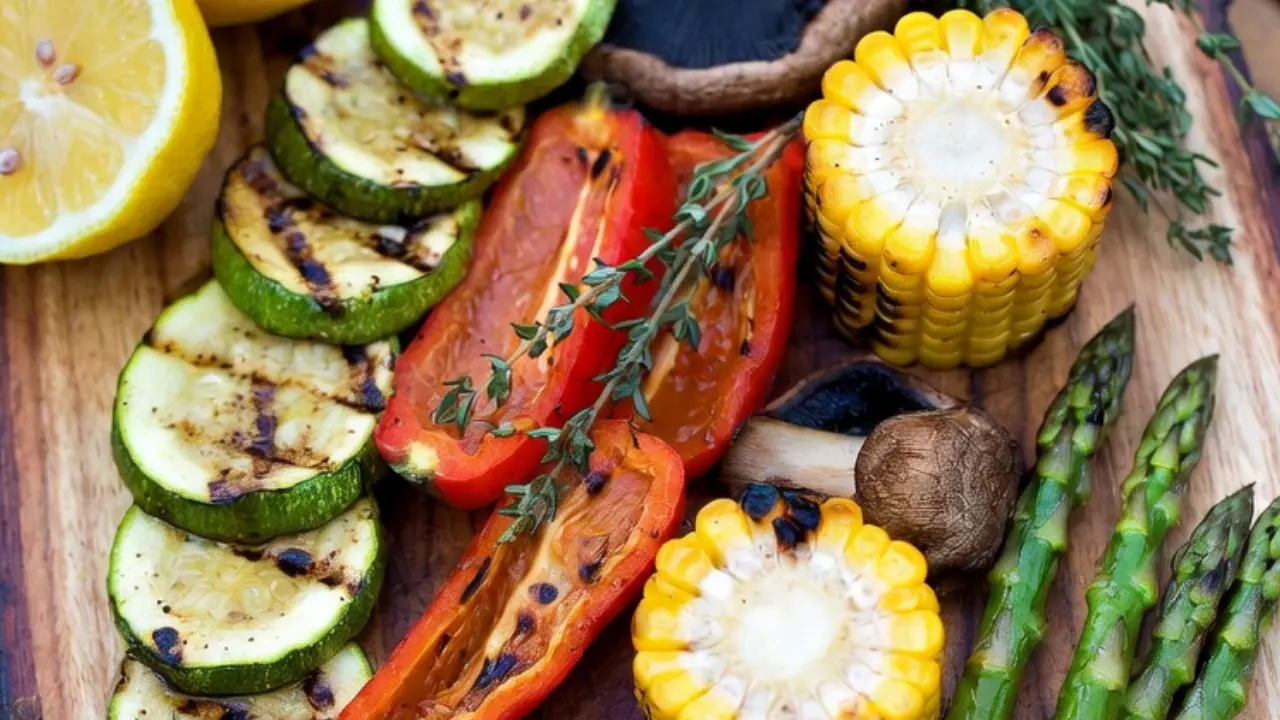
Grilled Vegetables on the Grill with Master BBQ Marinade
Ingredients
Equipment
Method
Notes
with lid closed before adding any vegetables. ✅ Pat vegetables dry after marinating —
excess liquid causes steaming, not charring. ✅ Do not overcrowd the grill grates —
space between pieces is essential for char marks. ✅ Season with flaky salt AFTER grilling,
not before — salt draws out moisture pre-grill. ✅ Pull vegetables slightly underdone —
they continue cooking from residual heat. ✅ Use a grill basket for small vegetables
like cherry tomatoes and mushroom pieces. ✅ Grilled vegetables can be made 2 hours
ahead and kept covered at room temperature. ✅ Leftovers keep in fridge for up to 3 days.
Reheat in oven at 150°C for 8–10 minutes.
Do not microwave — it makes them soggy.