Orzo and Shrimp Recipes That Will Transform Your Weeknight Dinners Forever
There is a particular kind of weeknight magic that happens when you realize dinner is going to be genuinely extraordinary — not just edible, not just acceptable, but the kind of meal that makes everyone at the table go quiet for a few moments before the compliments start pouring in. That is exactly what orzo and shrimp recipes do, time and time again, for home cooks who discover them. They sit at this perfect crossroads between effortless and impressive, between light and satisfying, between the familiarity of pasta and the elegance of a dish you might order at a coastal Italian restaurant on a warm summer evening. If you have never made an orzo and shrimp dish at home, or if you have made it once and never quite nailed it the way you imagined, consider this your complete, honest, and deeply practical guide to getting it absolutely right.
Why Orzo and Shrimp Recipes Deserve a Permanent Spot in Your Kitchen
The case for this underrated pasta and protein combination
Orzo is one of those pasta shapes that somehow never gets the recognition it truly deserves. Shaped like a large grain of rice, it cooks faster than most pastas, absorbs flavors beautifully, and provides a silky, almost risotto-like texture when cooked in a flavorful broth rather than plain salted water. Paired with shrimp — a protein that goes from raw to perfectly cooked in under five minutes — and you have the foundation of a meal that is as suitable for a quick Tuesday dinner as it is for a Friday evening when you want something that feels genuinely special without requiring three hours in the kitchen.
Beyond convenience, the flavor chemistry between orzo and shrimp is genuinely remarkable. Shrimp has a natural sweetness and a brininess that evokes the ocean, and it pairs with garlic, lemon, white wine, butter, and cream in ways that feel almost inevitable — as though these ingredients were designed specifically to coexist. When you add the starchy, creamy texture of orzo cooked to al dente in a garlic-infused broth, and finish with a squeeze of bright lemon juice and a handful of fresh herbs, you create a dish that is layered, cohesive, and deeply satisfying in every single bite.
Shrimp is one of the most widely consumed seafoods globally and is an excellent source of lean protein — a 100g serving provides approximately 24g of protein with only 1g of fat, making orzo and shrimp recipes a nutritionally well-rounded dinner option.
The Classic Creamy Garlic Lemon Orzo and Shrimp Recipe
Everything you need for a restaurant-quality dinner at home
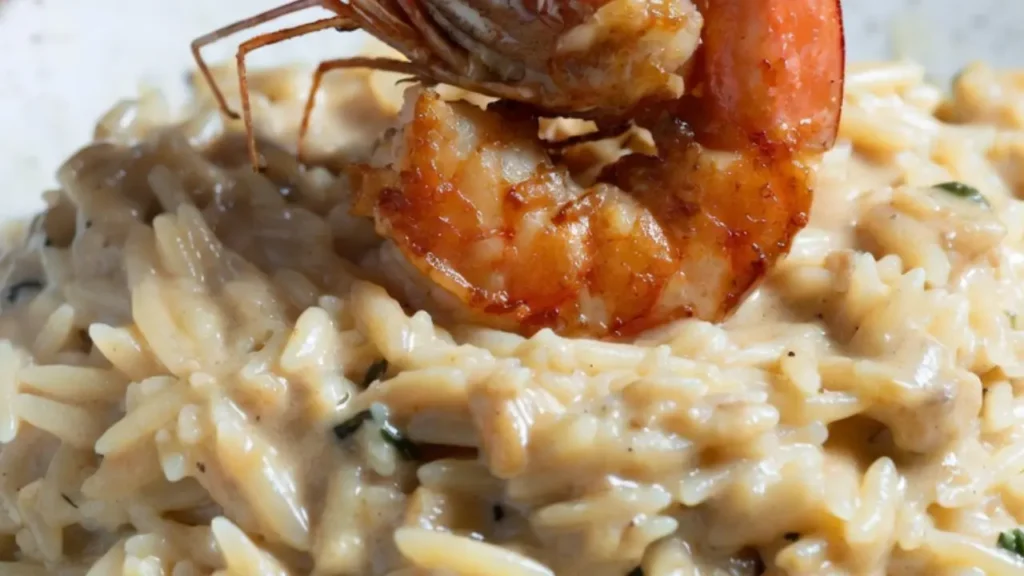
Before anything else, a great orzo and shrimp recipe demands quality in its core ingredients. The shrimp should ideally be large, raw, and either fresh or properly thawed from frozen — pre-cooked shrimp will turn rubbery and dry if cooked a second time in the pan. The orzo should be a good-quality dried pasta, and the garlic should be fresh — not pre-minced from a jar, which tends to taste flat and slightly fermented compared to the sharp, aromatic punch of freshly crushed or chopped cloves. Below is the complete ingredient list for a creamy garlic lemon orzo and shrimp dish that serves four generously.
Shrimp & Base Ingredients
| Ingredient | Quantity | Notes |
|---|---|---|
| Large raw shrimp, peeled & deveined | 500 g | Fresh or thawed from frozen |
| Garlic cloves, minced | 6 large | Fresh only, not jarred |
| Unsalted butter | 40 g | Divided use |
| Olive oil | 3 tbsp | Extra virgin |
| Dry white wine | 120 ml | Pinot Grigio or Sauvignon Blanc |
| Fresh lemon, zested & juiced | 2 large | Unwaxed preferred |
| Red pepper flakes | ½ tsp | Adjust to taste |
| Salt & black pepper | To taste | Season generously |
| Fresh parsley, chopped | Large handful | For finishing |
Creamy Orzo IngredientsOne-pan method
| Ingredient | Quantity | Notes |
|---|---|---|
| Dried orzo pasta | 300 g | Good quality brand |
| Chicken or vegetable stock | 800 ml | Warm, low sodium preferred |
| Double cream | 150 ml | Or heavy cream |
| Parmesan cheese, finely grated | 60 g | Plus extra to serve |
| Shallot, finely diced | 2 medium | Or 1 small white onion |
| Cherry tomatoes, halved | 150 g | Optional but recommended |
| Baby spinach | 80 g | Stirred in at end |
| Dried oregano | 1 tsp | For the orzo base |
Step-by-step instructions for the perfect orzo and shrimp dinner
1 Season and prep the shrimp. Pat the shrimp completely dry with paper towels — this is non-negotiable for a good sear. Season generously with salt, black pepper, and a pinch of red pepper flakes. Set aside while you begin the orzo base.
2 Build the aromatic base. In a large, wide skillet or shallow casserole over medium heat, warm 2 tablespoons of olive oil. Add the diced shallots and cook for 3–4 minutes until soft and translucent. Add the minced garlic and oregano and cook for a further 60–90 seconds, stirring constantly, until the garlic is fragrant but not browned.
3 Toast the orzo. Add the dry orzo to the pan and stir it through the garlic and shallot mixture for about 2 minutes. This brief toasting step adds a subtle nutty depth to the finished dish and helps the orzo maintain its texture as it cooks.
4 Deglaze and simmer. Pour in the white wine and stir, scraping any bits from the bottom of the pan. Allow the wine to reduce by half, then pour in the warm stock. Stir well, bring to a gentle simmer, and cook uncovered for 10–12 minutes, stirring frequently, until the orzo is al dente and has absorbed most of the liquid.
5 Add the cream and finish the orzo. Reduce the heat to low. Stir in the double cream, grated parmesan, cherry tomatoes, and baby spinach. Stir until the spinach wilts and the parmesan melts into a glossy, cohesive sauce. Add lemon zest and a generous squeeze of lemon juice. Taste and adjust seasoning.
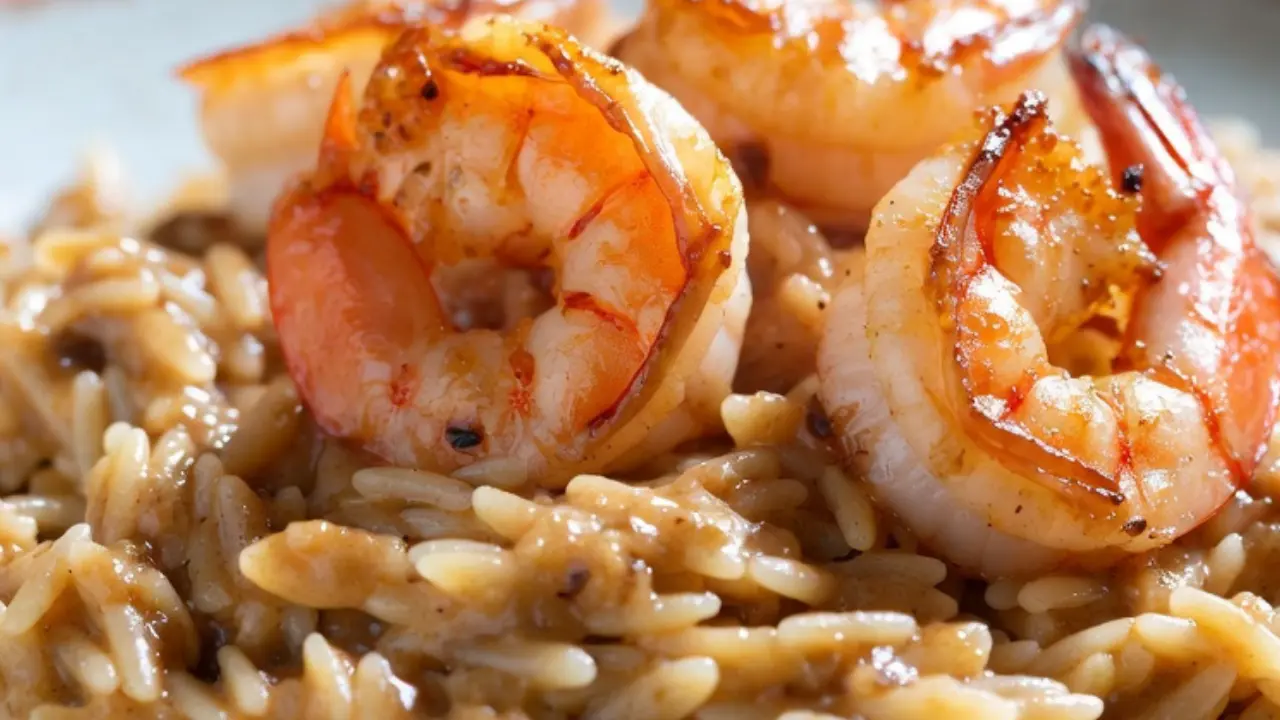
6 Sear the shrimp. In a separate pan over high heat, melt the butter with the remaining tablespoon of olive oil. When the butter is foaming, add the shrimp in a single layer. Cook for 90 seconds per side — no more — until they are pink, lightly charred at the edges, and just cooked through. Remove immediately from the heat.
7 Plate and serve. Spoon the creamy orzo into shallow bowls, arrange the seared shrimp on top, scatter with fresh parsley and extra parmesan, and finish with a final squeeze of lemon and a drizzle of good olive oil. Serve immediately.
Pro Tips for Making the Best Orzo and Shrimp Recipes Every Time
The small details that separate good from unforgettable
Chef-Level Tips
Always dry your shrimp before searing. Moisture on the surface of shrimp prevents browning and leads to steaming instead of searing. Dry shrimp with paper towels and you will get that beautiful golden crust that adds flavor and visual appeal.
Do not overcook the shrimp. This is the single most common mistake in every shrimp recipe. Shrimp go from perfect to rubbery in under 60 seconds. Pull them off the heat the moment they curl into a loose C shape and turn opaque pink. A tight O shape means they are overcooked.
Use warm stock, not cold. Adding cold stock to a hot pan drops the temperature dramatically and causes the orzo to cook unevenly. Warm your stock in a small saucepan or the microwave before adding it to the pan.
Stir the orzo frequently. Unlike regular pasta that boils in a large pot of water, orzo cooked in stock in a shallow pan needs frequent stirring to prevent it from sticking to the bottom and to encourage the gradual release of starch that creates a creamy, risotto-like consistency.
Add lemon at the end, never at the beginning. Lemon juice added too early loses its brightness during cooking. Add it in the final moments — and add the zest separately, as zest and juice contribute different things to the dish’s flavor profile.
Reserve some pasta water or stock. If your orzo looks too thick when you are ready to serve, a splash of warm stock will loosen it back to the perfect silky consistency without diluting the flavor.
Italian Penicillin Soupe Recipe: A Classic Comfort Dish for Cold Days
Creative Variations on Orzo and Shrimp Recipes
Four distinct directions to take this versatile dish
The beauty of orzo and shrimp as a culinary pairing lies in how naturally it adapts to different flavor directions. The base technique remains constant — aromatic base, toasted orzo, stock, cream, shrimp — but the supporting cast of flavors can be shifted dramatically to create dishes that feel completely distinct from one another while sharing the same practical cooking method.
Mediterranean Style
Add kalamata olives, sun-dried tomatoes, and crumbled feta in place of parmesan. Finish with fresh dill and a drizzle of extra virgin olive oil.
Spicy Cajun
Season the shrimp with Cajun spice blend, use andouille sausage alongside the shrimp, and add bell peppers and celery to the base.
Pesto & Asparagus
Stir through 3 tablespoons of basil pesto at the end and add blanched asparagus tips for a vibrant, herb-forward spring version.
Tomato Burst
Double the cherry tomatoes and allow them to burst and caramelize in the pan before adding the orzo for a sweet, jammy base sauce.
Orzo and Shrimp Soup — a lighter option
If you prefer something lighter and more broth-forward than the creamy skillet version, an orzo and shrimp soup is an equally satisfying alternative that uses the same core ingredients in a different ratio. Increase the stock to 1.5 litres, skip the cream and parmesan, and add diced celery, carrot, and white beans alongside the orzo. The shrimp go in for the final three minutes of cooking directly in the simmering broth, absorbing the flavors beautifully without the richness of the cream. A generous squeeze of lemon and a handful of fresh dill to finish transforms it into a light, restorative bowl that works equally well as a starter or a main course.
Orzo vs Rice vs Pasta — Why Orzo Wins for Shrimp Dishes
Understanding what makes orzo the ideal pairing for shrimp
| Feature | Orzo | Rice | Regular Pasta |
|---|---|---|---|
| Cook time | 8–12 min | 18–20 min | 10–14 min |
| Absorbs broth flavor | Excellent | Good | Moderate |
| Creamy texture naturally | Yes | No | No |
| One-pan cooking | Ideal | Possible | Difficult |
| Pairs with shrimp | Perfect | Good | Good |
| Leftover texture | Thickens, easy to loosen | Dries out | Goes soft |
Nutrition per Serving — What You Are Actually Eating
Honest and transparent breakdown of the classic recipe
520 Calories (kcal)
38g Protein
48g Carbohydrates
18g Total Fat
The nutritional profile of orzo and shrimp recipes is genuinely impressive for a dish this satisfying. Shrimp contributes the majority of the protein while adding minimal fat, and orzo provides complex carbohydrates that offer sustained energy rather than a sharp sugar spike. The cream and parmesan add fat and richness, but in the quantities used here, they remain within a sensible range for an occasional weeknight indulgence. For a lighter version, you can reduce the cream to 80ml and replace it partly with extra stock without dramatically impacting the final texture.
Storing, Reheating and Making Orzo and Shrimp Recipes Ahead
How to preserve flavor and texture for next-day meals
One of the most important things to understand about orzo and shrimp recipes is that they are best eaten fresh, immediately after cooking — particularly the shrimp, which deteriorates in texture more quickly than most proteins when reheated. That said, the orzo base can be made up to 24 hours ahead, stored covered in the refrigerator, and gently reheated on the stovetop with a splash of warm stock or cream to loosen it back to its original silky consistency. Cook the shrimp fresh when you are ready to serve and simply place them on top of the reheated orzo — this approach delivers a result that is 90% as good as cooking everything from scratch.
If you do need to store the complete finished dish, keep it in an airtight container in the refrigerator for no more than two days. Reheat gently in a covered pan over low heat with a few tablespoons of stock or water — never in a microwave at full power, which will make the shrimp tough and the orzo gluey. Freezing is not recommended for this dish, as the cream sauce tends to split on thawing and the shrimp becomes unpleasantly grainy.
Frequently Asked Questions About Orzo and Shrimp Recipes
Can I use frozen shrimp in orzo and shrimp recipes?
Absolutely — frozen shrimp works excellently in orzo and shrimp recipes provided it is properly thawed before cooking. Place the frozen shrimp in a colander under cold running water for 5–7 minutes until fully thawed, then pat completely dry with paper towels before seasoning and searing. Never cook shrimp directly from frozen in a pan — it releases too much water and prevents proper browning.
What can I use instead of white wine in orzo and shrimp recipes?
If you prefer not to use alcohol, substitute the white wine with an equal quantity of additional chicken stock plus a tablespoon of white wine vinegar or fresh lemon juice. This replicates the acidity that white wine provides, which is important for balancing the richness of the cream and butter in the finished dish.
How do I keep the orzo from becoming stodgy and thick?
Orzo continues to absorb liquid even after you remove it from the heat, which is why it thickens noticeably as it sits. The solution is to keep a small amount of warm stock nearby and stir in a splash just before serving. Eat the dish as promptly as possible after finishing, and if reheating leftovers, always add extra liquid and heat gently over low heat.
Can I make orzo and shrimp recipes dairy-free?
Yes, with a couple of straightforward swaps. Replace the double cream with full-fat coconut cream — it adds a subtle sweetness that works surprisingly well with the garlic and lemon. Replace the parmesan with two tablespoons of nutritional yeast for a similar umami depth, and use a good-quality vegan butter in place of dairy butter for searing the shrimp. The result is slightly different in flavor but still deeply satisfying.
What size shrimp works best in orzo and shrimp recipes?
Large to jumbo shrimp work best — typically labeled 16/20 or 21/25 count (meaning the number of shrimp per pound). Smaller shrimp cook too quickly and can disappear into the orzo rather than sitting on top as a visual and textural highlight. Larger shrimp also provide a more satisfying bite and are less likely to overcook during the searing process.
Conclusion — Your Best Weeknight Dinner Is One Pan Away
What makes orzo and shrimp recipes so enduringly satisfying is not complexity or technique — it is the way they manage to feel simultaneously effortless and impressive, homey and elegant, simple and deeply flavorful. You are working with ingredients that genuinely love each other: the briny sweetness of shrimp, the starchy creaminess of orzo, the aromatic punch of garlic, the brightness of lemon, and the richness of butter and cream coming together in a single pan in under 30 minutes. This is the kind of cooking that reminds you why you fell in love with food in the first place.
Whether you follow the classic creamy garlic lemon version to the letter, pivot toward the Mediterranean variation with olives and feta, or lighten things up with the broth-based soup, the core technique you have learned here will serve you reliably every single time. The small details — dry your shrimp, warm your stock, add lemon at the end, stir the orzo frequently — are not complicated, but they are the difference between a dish that is merely decent and one that earns genuine admiration. You now have everything you need to make that dish, tonight, with confidence.
Table of Contents
Creamy Garlic Lemon Orzo and Shrimp
Ingredients
Equipment
Method
Notes
- Do not overcook shrimp
- Add lemon at the end for best flavor
- Use warm stock for creamy texture